

In today’s evolving cybersecurity landscape, we’re becoming more alert to phishing emails and suspicious links. But what happens when the threat isn’t a link, it’s a QR code?
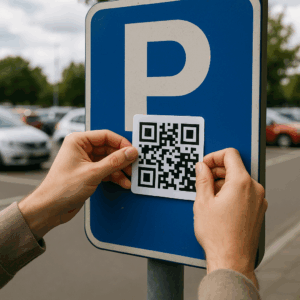
Quishing, or QR code phishing, is an emerging attack vector where malicious QR codes lead unsuspecting users to credential stealing sites, malware downloads, or fake login portals. What makes quishing especially dangerous is its simplicity and invisibility: QR codes can be embedded in posters, stickers, emails, or even slipped into everyday environments like parking lots or office doors.
As shown in this image, a QR code placed on a public sign might seem harmless. But a single scan with your phone could expose sensitive data, compromise your network, or steal your payment information.
Threat actors are adapting. They’re bypassing traditional email filters, targeting mobile-first users, and even launching multi-stage attacks using services like SharePoint or OneDrive to gain trust.
So how do we respond?
- Train your teams to think before they scan!
- Use mobile threat defense tools that can detect malicious sites in real-time.
- Implement zero-trust principles and enforce MFA wherever possible.
- Stay ahead with continuous awareness of evolving attack vectors.
The convenience of QR codes shouldn’t come at the cost of security.
Awareness and vigilance remain our strongest defense.